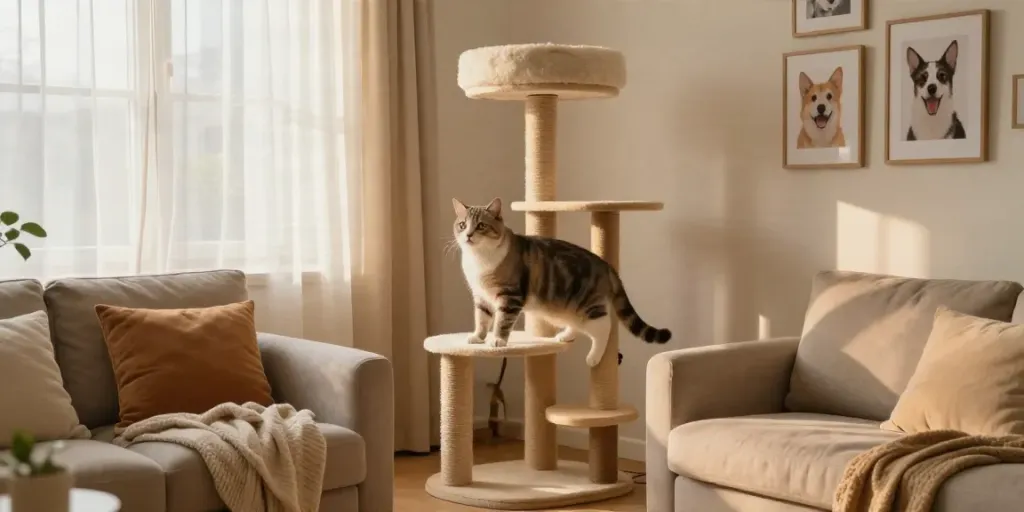
Understanding the Importance of Cat Trees
As a beloved member of the family, your cat deserves an environment that caters to its natural instincts and behaviors. One of the most valuable additions to any cat owner’s home is a cat tree. Not only do these structures provide a place for your cat to play, but they also serve as a sanctuary for rest and relaxation. When exploring options, cat tree designs can vary greatly, offering features that cater to the diverse needs of feline friends.
Why Every Cat Needs a Tree
A cat tree is not merely a luxury; it is an essential element that caters to your cat's instinctual behaviors, such as climbing, scratching, and exploring. Indoor cats, in particular, can benefit immensely from having a dedicated space designed for these activities. Furthermore, cat trees can help reduce stress and anxiety by providing vertical spaces for your cat to retreat and observe its surroundings.
Benefits of a Cat Tree for Indoor Cats
Indoor cats often lack the stimulation they would naturally receive in the wild. A well-designed cat tree can enhance their quality of life in several ways:
- Physical exercise: Climbing and jumping on different levels provides necessary exercise, which helps in maintaining a healthy weight.
- Scratching opportunities: Equipped with scratching posts, cat trees offer a designated area for scratching, which is essential for their physical and mental well-being.
- Safe napping spots: Elevated platforms allow cats to feel secure and offer a perfect spot for napping, away from hustle and bustle of daily life.
- Entertainment: Many cat trees come with dangling toys and interactive features that keep your cats engaged and entertained for hours.
Common Misconceptions about Cat Trees
There are several myths regarding cat trees that can deter pet owners from making this investment. One common misconception is that all cats will use them as intended. In reality, while most cats enjoy these structures, individual preferences vary. Additionally, some believe cat trees are only for kittens or young cats, but senior cats can benefit just as much from a comfortable resting place that allows them to exercise without excessive strain.
Key Features to Look for in a Cat Tree
Materials and Durability
When selecting a cat tree, the materials used play a critical role in its longevity and sturdiness. Opt for cat trees made from durable, non-toxic materials that can withstand the wear and tear of active cats. Wood frames with carpet or sisal coverings for scratching posts tend to offer the best durability.
Design Considerations for Multiple Cats
If you have more than one cat, look for designs that accommodate multiple users comfortably. Cat trees with multiple levels, different heights, and various entry points can help minimize territorial disputes and allow all of your cats to enjoy the structure.
Safety Features to Ensure Your Cat's Well-being
Safety should always be a priority when selecting a cat tree. Look for features like a stable base to prevent tipping and materials that do not splinter or pose choking hazards. Additionally, trees with rounded edges and secure fittings can further enhance the safety of your pet's play area.
Choosing the Right Size and Style
Factors Influencing Size Selection
Choosing the appropriate size for a cat tree depends on several factors including the size of your home, the number of cats you have, and specific space constraints. Measure your available space to determine the tallest structure that fits without overwhelming the room.
Modern vs. Traditional Cat Tree Designs
Cat trees come in a variety of styles, from modern minimalist designs to more traditional, elaborate setups. Your choice may depend on your interior decor and personal taste. Modern designs often focus on aesthetics, using sleek lines and neutral colors that blend seamlessly with home decor, while traditional designs emphasize functionality and support for climbing and scratching.
How to Match Your Cat Tree with Home Décor
When selecting a cat tree, consider how it will fit into your existing home aesthetic. Many brands offer cat trees in a range of finishes and colors. If your home has a cozy, rustic feel, look for wooden trees with natural finishes. For a contemporary space, choose a cat tree with fabric in bold colors or geometric designs.
Maintaining Your Cat Tree
Regular Cleaning Tips to Keep It Fresh
To ensure your cat tree remains a welcoming place for your pet, regular maintenance is essential. Vacuuming the fabric and removing hair build-up helps maintain hygiene. For deeper cleaning, follow the manufacturer’s instructions; many trees can be spot-cleaned or wiped down with pet-safe cleaners.
Repairing Common Wear and Tear Issues
Over time, cat trees may experience wear, such as frayed scratching posts or loose components. Keep an eye out for any signs of damage and address them promptly. Most scratching posts can be replaced, and wooden parts can often be tightened or repaired to prolong the life of the cat tree.
Enhancing Your Cat Tree with Accessories
Consider adding accessories to your cat tree to make it even more appealing. Toys, hanging strings, and cat beds can transform a simple structure into a multi-functional playground. Enhancements can also include cozy blankets or additional scratching surfaces to cater to your cat’s preferences.
Future Trends in Cat Trees
Innovative Designs in 2026 and Beyond
As pet ownership trends evolve, so too do the designs of cat trees. Expect to see more innovative designs that cater to both aesthetics and utility, featuring modular components that can be customized based on the owner's space.
Integration of Technology in Cat Furniture
Smart technology will likely play a role in future cat trees. Concepts such as built-in cameras to monitor pets, automated toys, or mobile app connectivity to track usage and health metrics are becoming increasingly feasible.
Predicted Changes in Consumer Preferences
As awareness of pet sustainability grows, more consumers will seek eco-friendly materials and manufacturing processes in their cat trees. Expect brands to respond with products that prioritize environmental impact while maintaining quality and functionality.
FAQ: What is a cat tree's purpose?
A cat tree serves as both a play area and a resting space for cats, fulfilling their natural instincts to climb and scratch while providing them with a safe environment to enjoy these activities.
FAQ: How tall should a cat tree be?
The height of a cat tree should depend on your cat's climbing abilities and comfort. Generally, a tree that is at least 60 inches tall is suitable for most cats, allowing them to leap, explore, and perch comfortably.
FAQ: Are expensive cat trees worth it?
While more expensive cat trees often provide superior materials and design, it ultimately depends on your cat's personality and needs. A well-constructed affordable option can be just as enjoyable.
FAQ: How often should I clean my cat tree?
It is advisable to clean your cat tree at least once a week, but you should vacuum regularly and spot-clean as needed to maintain hygiene.
FAQ: Can I customize a cat tree?
Many brands offer customizable options regarding color, size, and add-ons, allowing you to create a tree that fits perfectly into your home and suits your cat's personality.