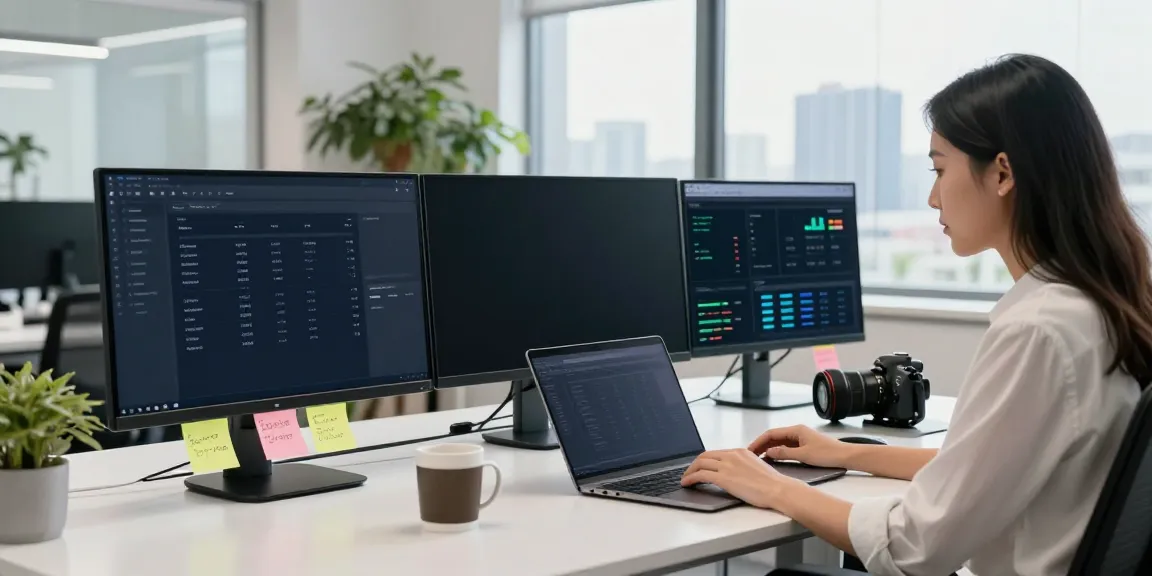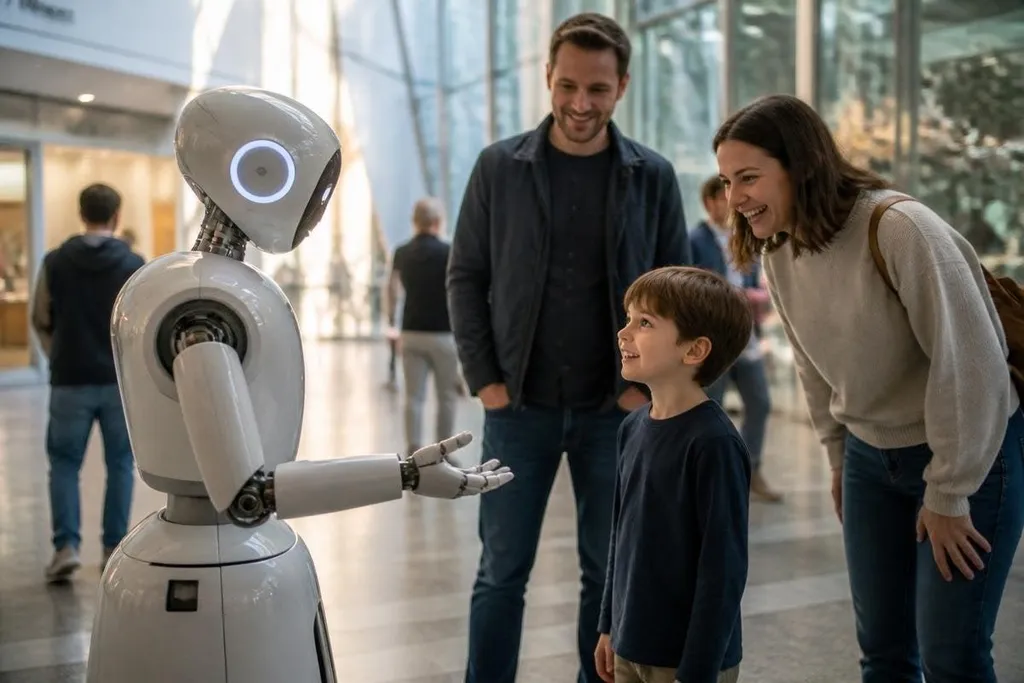
Entertainment robots are moving from fixed routines toward systems that can read a room, interpret speech, and change their actions. The shift matters for museums, theme parks, live events, and media studios that need robots to respond when visitors do something the script never covered.
Quick read
- AI links speech, cameras, movement, and timing in one control system.
- A robot can answer more questions, but it still needs limits and human oversight.
- The hard test is repeatable performance in a noisy public space.
From fixed scripts to live responses
Older entertainment robots often follow a set sequence. A sensor detects a person, a controller picks one response, and motors perform the same movement each time. That works when the setting stays controlled.
AI changes the control loop by handling several inputs at once. A camera can detect where someone is standing, a microphone can turn speech into text, and software can match that input with a planned reply or movement.
The robot still follows rules, but it has more than one route through them. That extra range helps during live shows. If a visitor asks a question, points at an object, or steps away, the robot can select a different response instead of waiting for the next scripted cue. The system can also pass a task to a remote operator when the request falls outside its limits.
The body still sets the boundary. AI can choose an action, but motors, batteries, sensors, and safety rules decide whether the robot can carry it out.
What the audience actually sees
For visitors, the change appears in small moments. A robot may turn toward the speaker, pause while a person finishes talking, or change its display after reading a face or gesture. Those actions can make an interaction feel less rigid without requiring a fully human-shaped robot.
Speech systems also change the work behind the show. Staff can prepare approved answers, set topics the robot must avoid, and review conversations after a session. That gives a museum or studio a way to keep the robot within its role while still allowing natural questions.
The timing matters as much as the words. A reply that arrives several seconds late can make the exchange feel broken, especially during a live performance. Engineers must tune speech delay, head movement, screen changes, and sound cues as one sequence rather than treating each part as a separate feature.
For a paid production, those details need a record beyond the clean run. Robot24.com robotics reports can tie the robot’s venue, software version, response delay, and human support to what audiences actually saw.
The limits behind the demo
Public spaces are harder than test rooms. People talk over one another, lights change, music covers speech, and visitors may stand outside the camera’s expected view. A model that works in a quiet room can respond poorly when those conditions change.
AI can also produce a reply that sounds suitable but is wrong for the venue. A robot in a children’s attraction needs different speech rules from one used in a horror show or a film set. Someone must decide what the robot may say, what it must refuse, and when a person takes control.
Privacy adds another limit. Cameras and microphones may collect personal information during an interaction, so operators need clear notice, careful storage rules, and a way to delete data when the system no longer needs it. The exact duties depend on the venue and local law.
The largest unknown is repeatability. A short demo can show that a robot handles one exchange. It doesn't show how the same system behaves after eight hours, thousands of questions, a network failure, or a damaged sensor.
A practical check before buying or building
A venue team can use this list before approving an AI-based robot:
- Define the job. Write down the actions the robot must perform and the situations that require a human operator.
- Test the room. Run trials with crowd noise, changing lights, blocked views, and more than one speaker.
- Set response limits. Approve topics, phrases, gestures, and movements before public use.
- Measure delay. Record the time from a visitor’s speech to the robot’s reply and movement.
- Plan failure recovery. Decide what happens when speech recognition fails, the network drops, or a sensor stops working.
- Check data handling. List what the robot records, where it stays, who can see it, and when it gets deleted.
I’d judge an entertainment robot by the quality of its failure handling, not by one polished conversation. A system that pauses, asks for help, and keeps people safe has a better chance of lasting beyond the demo.
The next useful measure is simple: how many public interactions can the robot complete before a staff member needs to step in?