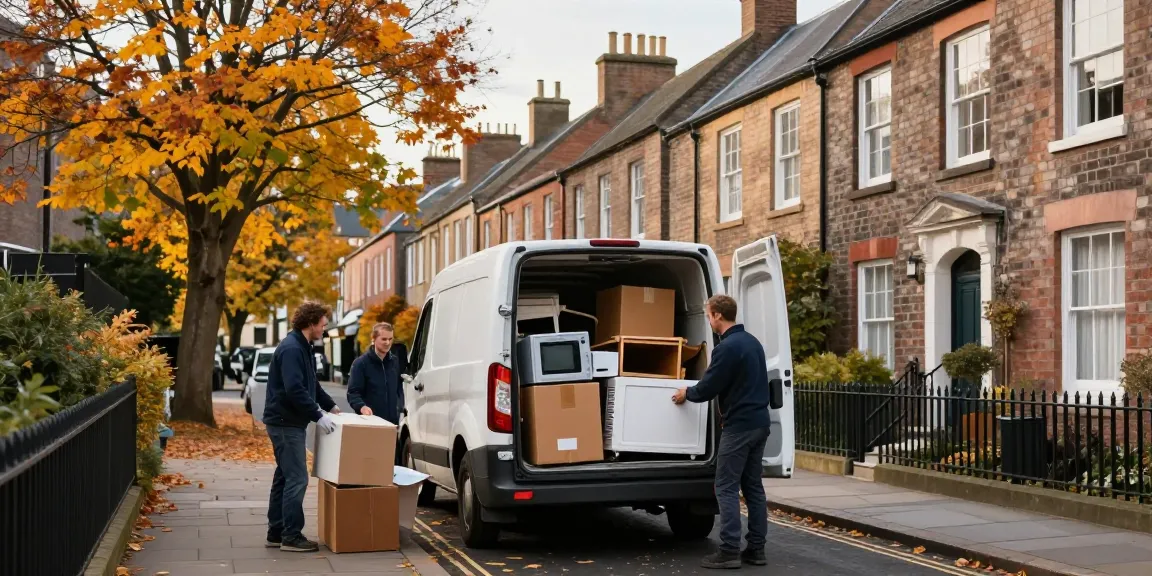
Understanding the Role of Furniture Movers
When it comes to relocating, many find the process overwhelming, particularly when it involves larger items like furniture. This is where furniture movers play a crucial role. They are not just individuals with a truck; they are trained professionals who specialise in ensuring that your belongings are moved safely and efficiently. Understanding the value they add can significantly ease your stress during a move.
What Do Professional Furniture Movers Do?
Professional furniture movers do much more than simply transport your belongings from one place to another. They are equipped with the necessary skills and tools to handle various tasks associated with moving furniture. This includes:
- Packing and Unpacking: Movers will safely pack items using materials that ensure protection during transit. They also offer unpacking services at your new location.
- Disassembly and Reassembly: Large furniture often needs to be disassembled for transport. Movers will take care of this, as well as reassembling the items at your new home.
- Loading and Unloading: Using professional equipment, movers can load and unload furniture, significantly reducing the risk of damage or injury.
- Storage Solutions: Many moving companies offer temporary storage solutions if there is a gap between moving out and moving in.
Benefits of Hiring Furniture Movers
There are numerous advantages to hiring professional furniture movers. Not only do they save you considerable time and effort, but they also reduce the risk of damage to your belongings. Here are some key benefits:
- Expertise: Movers have the experience and training to navigate challenging situations, such as tight staircases or limited access points.
- Insurance Protection: Most moving companies offer insurance options that protect your furniture during the moving process.
- Efficiency: Professional movers can complete the job faster than most individuals, allowing you to focus on settling into your new home.
- Peace of Mind: Knowing that professionals are handling your belongings can significantly reduce the stress associated with moving.
Choosing the Right Furniture Moving Company
Selecting the right furniture moving company is vital for a successful move. Here are some tips to consider:
- Research: Look for companies with positive reviews and testimonials. Websites like Trustpilot and local business directories can provide insights.
- Get Multiple Quotes: Obtain quotes from several movers to compare prices and services offered.
- Check Credentials: Ensure the company is licensed and insured, which protects you against potential damages.
- Ask About Services: Not all movers offer the same services. Check if they provide packing services, storage options, or specialised handling for antiques.
Preparing for Your Move
Preparation is key to making your move as smooth as possible. Here are essential steps to take before the movers arrive.
Creating an Inventory of Your Belongings
Start by making a detailed inventory of your items. This not only helps ensure nothing is forgotten but also assists in estimating moving costs. Categorise your items and note their condition before the move.
Tips for Packing Furniture Efficiently
Packing efficiently can save time and prevent damage. Here are some strategies:
- Use Quality Materials: Use sturdy boxes, bubble wrap, and packing tape to protect your items.
- Label Boxes: Clearly label boxes by room and contents to simplify unpacking.
- Disassemble Large Items: Take apart furniture where possible, as this makes it easier to pack and transport.
- Keep Essentials Accessible: Pack a separate box with essentials like toiletries and clothes that you will need immediately in your new home.
Understanding Moving Insurance Options
Understanding the insurance options available can safeguard your belongings. Most moving companies offer different types of coverage, from basic liability to full-value protection. It’s important to read the terms and choose the option that best suits your needs.
The Moving Process Explained
The moving process can be broken down into several key stages to help you know what to expect.
What to Expect on Moving Day
On moving day, expect the movers to arrive promptly. They will do a walkthrough of your home to assess the logistics, which includes:
- Loading: Movers usually start loading the truck with larger items first, followed by boxes.
- Time Estimates: They will provide you with an estimated time for loading and unloading, which can help you plan your day.
How Furniture Movers Handle Fragile Items
Handling fragile items requires special care. Professional furniture movers often use:
- Custom Crates: For valuable items, custom crates provide the best protection during transit.
- Padding and Wrapping: Movers will pad and wrap fragile items to prevent damage.
- Specialised Techniques: They employ techniques such as stacking and securing to minimise movement during transport.
The Importance of Communication with Your Moving Team
Effective communication is crucial throughout the moving process. Keep your moving team informed of any specific instructions or concerns you may have. Regular updates ensure that everyone is on the same page, leading to a smoother moving experience.
Post-Move Considerations
After the move, there are several important actions to take to ensure a smooth transition into your new home.
Unpacking Strategies for a Smooth Transition
Unpacking can be overwhelming. Consider the following strategies:
- Start with Essentials: Focus on unpacking one room at a time, starting with the kitchen and bathrooms.
- Organise as You Go: Place items in their designated spots as you unpack to save time later.
- Take Breaks: Moving is tiring; taking breaks can help maintain energy levels.
Assembling Furniture After the Move
For items that require assembly, keep all hardware in labelled bags. Follow the manufacturer’s instructions and don’t hesitate to enlist help if needed. Investing time in proper assembly can ensure that your furniture is sturdy and functional.
Settling into Your New Home Effectively
Once unpacked, take the time to adjust to your new space. Familiarise yourself with your surroundings and consider introducing yourself to neighbours. This can assist in creating a sense of community and belonging in your new home.
Future Trends in Furniture Moving Services
As the industry evolves, several trends are shaping the future of furniture moving services.
Technology in the Furniture Moving Industry
The introduction of technology in the moving industry is transforming how companies operate. With advancements such as:
- GPS Tracking: Customers can track their belongings in real-time.
- Inventory Management Apps: These apps help both customers and movers keep track of items being moved.
- Virtual Surveys: Some companies offer virtual surveys to assess the moving requirements more efficiently.
Eco-Friendly Moving Practices for 2026
As green practices gain momentum, many furniture moving companies are adopting eco-friendly measures, including:
- Recyclable Packing Materials: Using eco-friendly packing materials to reduce waste.
- Fuel-Efficient Vehicles: Transitioning to vehicles that have a lower environmental impact.
- Carbon Offsetting: Some companies are investigating options to offset their carbon emissions.
Predictions for the Future of Furniture Relocation
As consumer expectations evolve, the furniture moving industry is likely to see further innovations that enhance convenience and efficiency. Anticipated changes may include:
- Enhanced Customisation: Providing tailored moving solutions based on individual needs.
- Increased Transparency: Offering clearer pricing structures without hidden fees.
- Expansion of Services: Moving companies may expand their services to include cleaning or handyman services.
What Should You Ask Your Movers?
Before hiring a moving company, ensure you ask the right questions, such as:
- What is included in the quoted price?
- Are there additional fees for certain services?
- What is your cancellation policy?
- How do you handle damages or lost items?
How Do I Prepare My Home for Moving?
Preparing your home for moving involves several steps, such as:
- Clearing pathways to ensure safe movement of furniture.
- Arranging for parking permits if required.
- Securing pets and children on moving day to maintain safety.
What Types of Furniture Movers Are Available?
Different types of furniture movers cater to varying needs:
- Local Movers: Ideal for short-distance relocations.
- Long-Distance Movers: Suitable for moving across states or countries.
- Specialised Movers: Experts in handling delicate or high-value items.
What Should I Consider When Customising My Move?
When customising your move, consider factors such as:
- Your budget and financial constraints.
- The amount of furniture and its fragility.
- The timeframe for your move and any deadlines.
How Can I Ensure My Items Stay Safe During Transit?
Protection during transit is paramount. You can ensure safety by:
- Using sturdy packing materials and boxes.
- Communicating with your movers about fragile items.
- Choosing a reputable company with insurance options.
What Are the Cost Factors Associated with Furniture Moving?
Understanding the cost factors can help you budget effectively:
- Distance: Longer distances generally increase costs.
- Volume of Items: The more items you have, the higher the cost.
- Additional Services: Packing and special handling may incur extra charges.