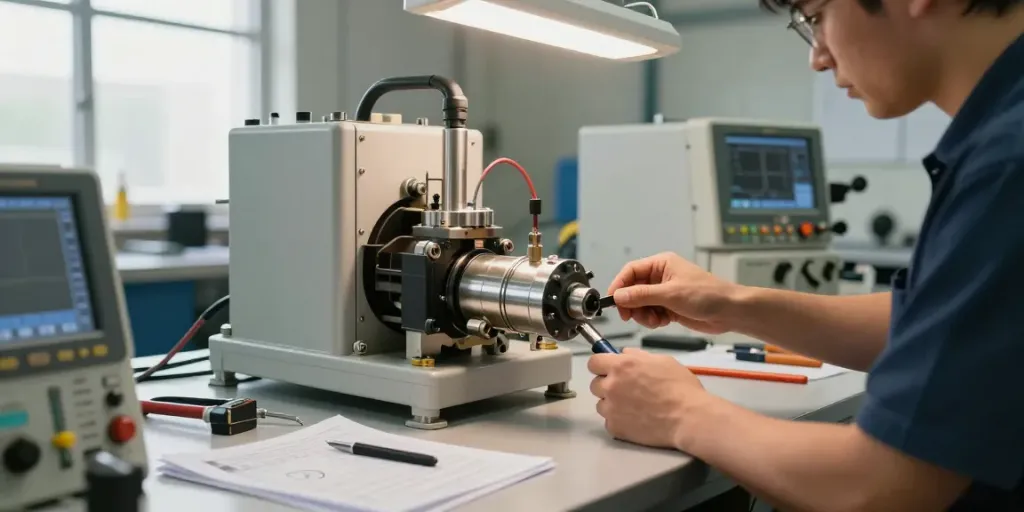
Understanding Mechanical Vacuum Switches
Mechanical vacuum switches are pivotal components in the realm of industrial automation, ensuring that systems operate efficiently and safely. These devices are designed to monitor and control vacuum pressure levels, providing essential functionality across various applications such as HVAC, hydraulic systems, and general machinery. As industries evolve, understanding the intricacies of these switches becomes crucial for maintaining optimal performance and reliability in your operations. When exploring options, mechanical vacuum switch products from reputable manufacturers, such as LEFOO, can further enhance system control capabilities.
What is a Mechanical Vacuum Switch?
A mechanical vacuum switch operates based on mechanical components to detect changes in vacuum pressure within a system. Unlike electronic switches, which rely on sensors and circuitry, mechanical vacuum switches utilize physical moving parts—such as diaphragms—to activate or deactivate an electrical contact when a predetermined vacuum level is reached. This responsiveness makes them ideal for applications where pressure variations need to be monitored closely without the complexity of electronic systems.
Key Components and Functionality
The fundamental components of a mechanical vacuum switch include:
- Diaphragm: The primary sensing element that responds to pressure changes.
- Switch Mechanism: Engages or disengages the electrical contact based on diaphragm movement.
- Adjustment Mechanism: Allows users to set the desired vacuum level for activation.
- Housing: Provides protection against environmental factors, ensuring durability and reliability.
When vacuum pressure decreases to a specified point, the diaphragm flexes, activating the switch mechanism. This action can trigger alarms, control other devices, or shut down systems to prevent failures, highlighting the switch's role in maintaining operational safety.
Difference Between Mechanical and Electronic Switches
The primary distinction between mechanical and electronic switches lies in their operating principles. Mechanical switches are typically more robust, with fewer components that can fail, making them ideal for harsh industrial conditions. Conversely, electronic switches provide more precise readings and features, such as programmable settings and data logging capabilities. However, they may also come with increased complexity and potential points of failure due to their reliance on electronic circuitry.
Applications in Industrial Automation
Mechanical vacuum switches find widespread use in various sectors, each leveraging the precise control and reliability they offer. Below are some of the most common applications:
Common Uses in HVAC Systems
In heating, ventilation, and air conditioning (HVAC) systems, mechanical vacuum switches are critical for monitoring the vacuum levels in refrigeration units and ensuring optimal performance. They help maintain the efficiency of cooling cycles, preventing compressor damage due to low pressure conditions. These switches enable seamless automation, allowing HVAC systems to respond promptly to changing vacuum states, ultimately improving energy efficiency and comfort.
Role in Hydraulic Applications
Hydraulic systems utilize mechanical vacuum switches to monitor fluid levels and pressure changes, ensuring that equipment operates within safe parameters. By providing real-time feedback, these switches help prevent equipment failures and enhance the longevity of hydraulic machinery. Their durable design means they can withstand the demanding environments often found in hydraulic applications, making them a crucial component for ensuring operational safety.
Mechanical Vacuum Switch in General Machinery
In general machinery, mechanical vacuum switches assist in automation and safety protocols. They play a vital role in monitoring processes like vacuum packaging and material handling systems, ensuring that machinery functions correctly and efficiently. The simplicity of installation and operation further enhances their appeal, allowing manufacturers to implement these switches with minimal disruption to operations.
Advantages of Using Mechanical Vacuum Switches
The benefits of implementing mechanical vacuum switches extend beyond basic functionality, offering numerous advantages that contribute to overall system performance:
Robustness and Durability
Mechanical vacuum switches are designed for longevity and reliability. Their construction typically involves durable materials, capable of withstanding harsh conditions, including extreme temperatures and corrosive environments. This durability ensures that these switches can perform reliably over millions of cycles, minimizing the need for replacements and maintenance.
Simple Calibration and Maintenance
One of the standout features of mechanical vacuum switches is their straightforward calibration process. With many models featuring external adjustment screws and clear visual scales, technicians can easily set and modify desired vacuum levels without the need for complex tools. This simplicity reduces downtime during installations or maintenance, allowing for quick responses to operational needs.
Cost-Effectiveness Over Time
Although the initial investment in mechanical vacuum switches may be comparable to electronic counterparts, their low total ownership cost becomes evident over time. With fewer components likely to fail and a longer life cycle, businesses can expect reduced maintenance costs and minimized operational disruptions, which ultimately enhance profitability.
Installation Best Practices
Proper installation of mechanical vacuum switches is crucial for optimal performance. Here are best practices to ensure that installations are efficient and effective:
Preparing for Installation: Tools and Environment
Before beginning the installation process, ensure that you have the necessary tools, which may include:
- Adjustable wrenches
- Screwdrivers
- Calipers for measuring
Additionally, maintain a clean and safe working environment to prevent contaminants from interfering with the switch's performance.
Step-by-Step Installation Guide
- Select the Appropriate Location: Choose a location that allows easy access for adjustments and maintenance.
- Install the Switch: Securely attach the switch to the mounting surface, ensuring it aligns with the vacuum line.
- Connect Electrical Wiring: Follow wiring diagrams carefully to ensure proper connections and functionality.
- Calibrate the Switch: Utilize the adjustment mechanism to set the desired vacuum levels as per the application requirements.
- Test the Installation: Conduct functional tests to verify that the switch operates as intended.
Common Installation Mistakes to Avoid
To ensure optimal performance, avoid the following common mistakes during installation:
- Improper alignment of the switch and vacuum line, which can lead to inaccurate readings.
- Failing to securely fasten the switch, resulting in operational failures.
- Neglecting to calibrate the switch after installation, leading to potential system malfunctions.
Future Trends and Developments in 2026
As technology advances, mechanical vacuum switches are expected to evolve, with several key trends anticipated in the coming years:
Advancements in Mechanical Switch Technology
Innovations in materials and designs are likely to enhance the sensitivity and durability of mechanical vacuum switches. The integration of advanced materials can improve resistance to environmental factors, while new design techniques may lead to lighter and more compact switches without sacrificing performance.
Integration with Smart Systems
The future will see an increased integration of mechanical vacuum switches with smart automation systems. This convergence will allow for enhanced monitoring and control capabilities, with real-time data analytics helping to optimize processes and preemptively identify issues before they lead to failures.
Predicted Market Growth and Innovations
The market for mechanical vacuum switches is poised for significant growth, driven by rising demand in industrial automation, HVAC, and other critical sectors. As industries seek greater efficiency and reliability, the continued evolution of mechanical switches will play an essential role in meeting these objectives, paving the way for innovations that enhance operational capabilities.