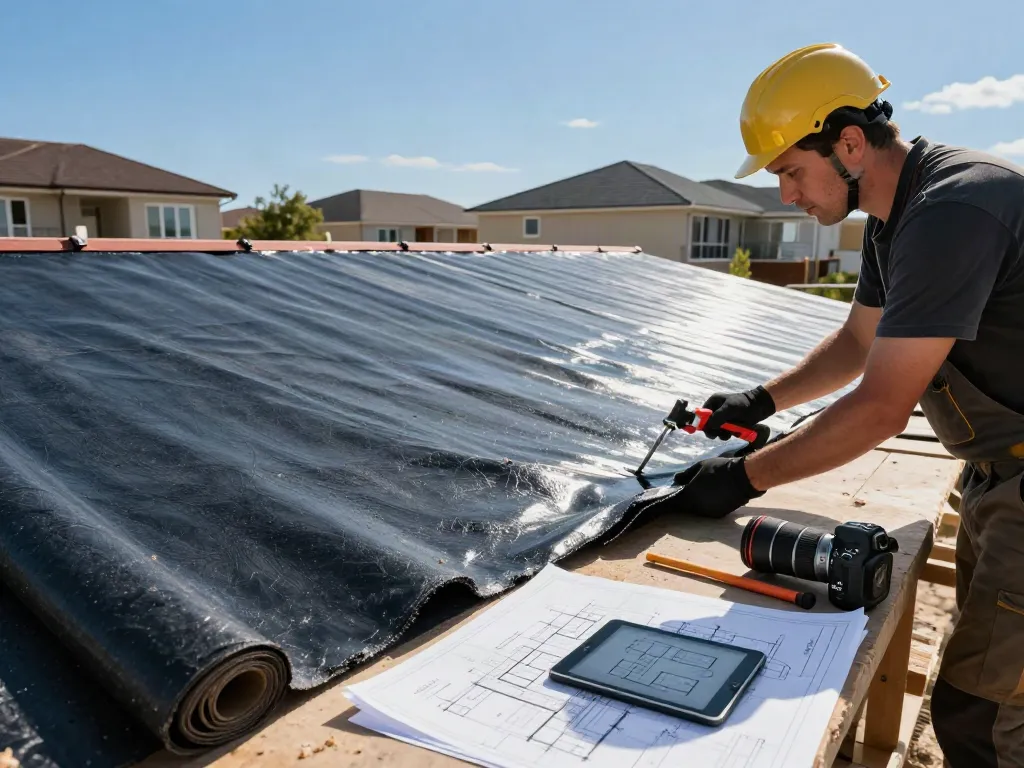
Understanding Felt Roofs
Felt roofing is an essential component for many homes, offering unparalleled protection and insulation for flat and low-pitched roofs. As homeowners seek durability and reliability in their roofing solutions, felt roofs emerge as a leading choice due to their longevity and water-resistant properties. When exploring options, felt roof systems provide comprehensive insights on installation and maintenance, ensuring both aesthetic and functional advantages.
What is a Felt Roof?
A felt roof is a roofing system made of layers of roofing felt, often used on flat or low-pitched structures. Typically, it consists of a base layer, an underlay, and a top layer, which can be made from bitumen or synthetic materials. This type of roofing is popular for its affordability and ease of installation. Additionally, felt roofs can be installed directly over existing roofing materials, making them a versatile choice for renovations.
Benefits of Using Felt Roofing
Felt roofing offers numerous benefits, making it a popular choice among homeowners:
- Cost-Effective: Felt roofs are less expensive compared to other roofing materials, making them an attractive option for budget-conscious homeowners.
- Durability: Modern felt roofing systems are designed to withstand harsh weather conditions, including heavy rain and UV exposure.
- Easy Installation: Many felt roofing systems can be installed quickly, reducing labor costs and time.
- Water Resistance: Properly installed felt roofs provide excellent protection against leaks and water ingress.
Common Misconceptions about Felt Roofs
Despite their benefits, there are misconceptions surrounding felt roofing. Some believe that they are not as durable as traditional materials like tiles or metal; however, modern felt roofs can last for over 20 years with proper installation and maintenance. Others assume that felt roofs cannot be repaired, but minor issues can often be addressed without complete replacement, saving homeowners time and money.
Types of Felt Roofing Systems
Not all felt roofing systems are the same; various types cater to different needs and applications. Understanding the differences can help homeowners make informed decisions about their roofing projects.
Modern Felt Roofing Options
Today’s market offers several types of felt roofing options, including:
- Torch-On Felt: This type involves heating the underside of the felt to create a watertight seal, making it an excellent choice for areas prone to heavy rain.
- Cold-Lay Felt: Cold-lay felt systems use adhesive instead of heat for installation, making them an ideal choice for DIY enthusiasts.
- Self-Adhesive Felt: These rolls come with a peel-and-stick backing that simplifies installation, providing a quick solution for minor roofing repairs.
Differences between Torch-On and Cold-Lay Felt
The primary difference between torch-on and cold-lay felt roofing lies in the installation method:
- Torch-On: Involves using a propane torch to heat the felt, allowing it to bond with the substrate. This method creates a seamless, waterproof membrane but requires skill and care to avoid damage.
- Cold-Lay: Uses an adhesive to secure the felt, making it safer and easier for untrained individuals to install. However, it may not create as strong a bond as torch-on methods, potentially impacting longevity.
Choosing the Right System for Your Home
When deciding on a felt roofing system, consider factors such as the roof’s pitch, environmental conditions, and budget. Consulting with a qualified roofing contractor can provide personalized recommendations based on specific needs and circumstances.
Installation and Maintenance
Proper installation and regular maintenance are vital for maximizing the lifespan of a felt roof. Following best practices during both processes can prevent costly repairs down the line.
Steps for Installing a Felt Roof
Installing a felt roof typically involves several key steps:
- Preparation of the roof surface, including removing debris and old roofing materials.
- Applying a primer to enhance adhesion.
- Installing the base layer of felt using either torch-on or cold-lay methods.
- Adding subsequent layers as needed, overlapping edges to ensure waterproofing.
- Finishing with a protective top layer that reflects sunlight and protects against wear.
Common Installation Errors to Avoid
To ensure a successful installation, watch out for these common mistakes:
- Inadequate surface preparation, leading to poor adhesion.
- Insufficient overlapping of felt layers, which can cause seams to leak over time.
- Failure to properly seal edges and joints, creating potential entry points for water.
Maintaining Your Felt Roof for Longevity
Regular maintenance is crucial to prolonging the life of a felt roof. Consider the following maintenance tips:
- Conduct regular inspections to catch issues early.
- Clean gutters and drains to prevent water buildup.
- Repair any damage promptly to avoid more extensive problems.
Cost Factors for Felt Roofing
Understanding the cost factors associated with felt roofing can help homeowners budget effectively for their projects. Various elements contribute to the overall expense of installation and materials.
Estimates for Different Felt Roofing Projects
The cost of a felt roofing project can vary widely based on factors such as roof size, condition, and chosen materials. On average, homeowners can expect to pay anywhere from £40 to £70 per square meter for installation, depending on these variables.
Evaluating Quotes from Contractors
When receiving quotes, consider the following factors:
- Comparing the proposed materials and their durability.
- Assessing the contractor’s experience and customer reviews.
- Reviewing the breakdown of costs, including labor and materials.
Understanding Material Costs vs. Installation Costs
Material costs typically account for a significant portion of the overall expense. Understanding this breakdown can help homeowners prioritize their investments in quality materials that enhance the roof's longevity.
Future Trends in Felt Roofing
As technology advances and environmental considerations grow, the felt roofing industry continues to evolve. Homeowners should stay informed about these trends to make decisions that are both current and sustainable.
Innovations in Felt Roofing Technology
Recent innovations include reinforced felt materials that improve durability and UV resistance. Additionally, new adhesive technologies are making installations faster and easier while maintaining high waterproof standards.
Environmental Considerations for 2026 and Beyond
As the focus on sustainability grows, felt roofs are being developed using recyclable materials and eco-friendly manufacturing processes. Homeowners can take comfort in knowing that their roofing choices contribute to a healthier environment.
Predictions on Market Demand and Pricing Trends
By 2026, it's expected that demand for felt roofing will increase as homeowners recognize its benefits. As more options become available, prices may fluctuate, emphasizing the importance of comparing quotes and selecting high-quality systems.
What is a felt roof?
A felt roof is a layered roofing system commonly used on flat or low-pitched roofs, known for its waterproofing capabilities.
What are the disadvantages of felt roofing?
While felt roofs are cost-effective and durable, they may not provide the same aesthetic appeal as other roofing materials and can be prone to UV damage if not properly maintained.
Is roofing felt 100% waterproof?
Roofing felt is designed to be water-resistant; however, it is not entirely waterproof, making proper installation and maintenance crucial to prevent leaks.
What do roofers use instead of felt?
Roofers may use materials such as EPDM rubber, PVC, and TPO as alternatives to felt roofing, especially for projects requiring enhanced durability and flexibility.